

Your liver plays a crucial role in your overall health, acting as the body’s detox center and aiding digestion. Yet, many of us take this vital organ for granted until something goes wrong. Do you know how to recognize signs that your liver might be struggling? Or what foods can support its health? Maintaining a healthy liver is essential for feeling great and functioning daily. Let’s explore ways to keep this powerhouse in top shape so you can enjoy life to the fullest.
Signs of a Unhealthy Liver
 Your liver can be a pretty silent sufferer. Often, signs of an unhealthy liver go unnoticed until they become more severe. One common indicator is fatigue. If you find yourself feeling unusually tired without a clear reason, your liver might need attention. Another red flag is jaundice, where the skin or eyes take on a yellowish tint. This happens when there’s too much bilirubin in your bloodstream due to liver dysfunction. Digestive issues also signal trouble.
Nausea, bloating, and changes in appetite can stem from an overwhelmed liver struggling to process toxins. Look out for unexplained weight gain as well; it could indicate fat accumulation around the liver. Frequent mood swings or confusion may arise because your body isn’t filtering out harmful substances efficiently anymore. Recognizing these symptoms early can make all the difference in maintaining optimal health.
Foods that are Good for Your Liver
To support a healthy liver, focus on incorporating specific foods into your diet. Leafy greens like spinach and kale are excellent choices. They help detoxify the body and reduce fat accumulation in the liver. Cruciferous vegetables, such as broccoli and Brussels sprouts, pack a punch with their ability to enhance liver function. These veggies boost enzyme production, which aids in cleansing toxins. Fruits like berries and citrus provide antioxidants that protect liver cells from damage. Oranges and lemons also have compounds that assist in digestion. Healthy fats found in avocados and olive oil can promote overall well-being too. They contain nutrients that contribute to better absorption of vitamins essential for liver health.
Lifestyle Changes for a Healthier Liver
 Making small adjustments in your daily routine can significantly impact liver health. Start by prioritizing hydration. Drinking plenty of water helps flush toxins from the body, supporting liver function. Incorporate regular physical activity into your schedule. Aim for at least 30 minutes of exercise most days. This not only aids weight management but also reduces fat buildup in the liver.
Consider limiting alcohol intake. While moderate consumption may be acceptable for some, excessive drinking can lead to serious damage over time. Pay attention to sleep as well. Aiming for seven to eight hours each night allows your body to regenerate and repair itself effectively.
Conclusion
Taking care of your liver is essential for overall health. This vital organ plays a crucial role in your body, from detoxifying harmful substances to aiding digestion and regulating metabolism. A healthy liver can improve energy levels, support weight management, and enhance immune function. By recognizing the signs of an unhealthy liver early on, you can make informed decisions about your health. Incorporating foods that promote liver wellness into your diet will provide the nutrients needed for optimal function.

 The indoor air quality is often worse than outdoors, as various pollutants can build up in the home. To reduce pollutants, open your windows to let fresh air circulate and clear out particles like dust mites and mold spores. Invest in an air purifier or filter to help remove airborne allergens. Additionally, make sure to change air filters regularly. In fact, according to the Environmental Protection Agency, air filters should be replaced every 3 months for optimal air quality.
 Before eating and after using the restroom, always wash your hands with soap and warm water. This is one of the most effective ways to prevent germs from spreading and protect yourself from illnesses. Also, be sure to carry hand sanitizer when you don’t have access to a sink or running water. You might never know when you’ll come into contact with someone who is sick, so it’s always better to be safe than sorry.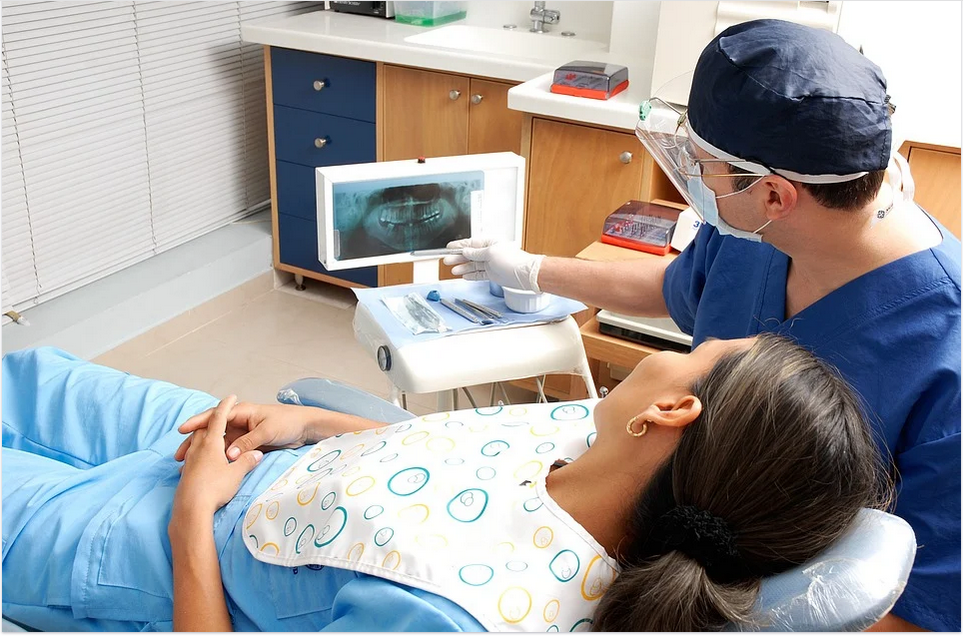
 Early or regular visits ensure that the dentist will detect any disease or deformity early and rectify. If a dental problem is detected early, it helps you save sometimes, and it means fewer procedures, and avoiding surgery, because you just get simple medication. A regular visit to your dentist will ensure that you receive proper advice on how to take care of your teeth. It is advisable to visit twice annually.
 Most people overlook cost issues. It is best to ask about the consultation fee, cost of procedures if any, and post-surgery costs. Look for a dentist who has a flexible payment plan. Lack of post-treatment may lead to more significant damage or a repeat of it. If your delayed visit is due to fear of heavy machinery, find something to make you overcome the fear as a checkup is essential. You could find an activity that makes you less nervous or a friend who can keep you calm.
 Reviews are good. They build confidence in products and services. However, it would help if you did not put your full trust in them as they are, in the end, a person’s opinion. Some are exaggerated for persuasion purposes. Go through reviews but choose a