
Mental health awareness has come a long way, but some outdated ideas still linger in everyday conversations. These myths often sound harmless or even motivating, yet they can create shame, silence, and misunderstanding. When mental health is oversimplified or misunderstood, people are less likely to seek support or show compassion to themselves and others. Breaking these myths is an essential step toward healthier conversations and healthier lives.
Mental Health Problems Are Just a Phase
One common myth is that mental health challenges are temporary moods people should grow out of. While everyone experiences emotional ups and downs, mental health conditions are not the same as a bad day. Dismissing them as a phase can make people feel invalidated and reluctant to speak up. For many, mental health is an ongoing part of life that requires understanding, not minimization.
Strong People Don’t Struggle

This belief quietly reinforces the idea that struggling means weakness. In reality, mental health challenges affect people of all personalities, backgrounds, and strengths. Some of the most resilient people are those who continue showing up despite internal difficulties. Labeling struggles as weakness discourages openness and keeps people from asking for help when they need it most.
You Can Tell If Someone Is Struggling
There’s a persistent idea that mental health challenges are always visible. The truth is, many people function well on the outside while dealing with a lot on the inside. Assuming someone is fine because they seem productive, cheerful, or successful can lead to missed opportunities for support. Mental health isn’t always obvious, and appearances don’t tell the whole story.
Talking About Mental Health Makes It Worse
Some people believe that discussing mental health problems will make them grow or become more real. In fact, silence often does more harm. Thoughtful conversations can reduce isolation, normalize experiences, and help people feel understood. Avoiding the topic tends to reinforce stigma, while open dialogue creates space for connection and healing.
You Just Need to Think Positive
Positive thinking can be helpful, but it’s not a cure-all. Telling someone to change their mindset can feel dismissive and frustrating. Mental health is influenced by biology, environment, experiences, and stress, not just attitude. While optimism has value, it doesn’t replace support, coping skills, or professional guidance when needed.
Mental Health Problems Are Rare

Another harmful myth is that mental health challenges only affect a small group of people. In reality, they are extremely common and touch nearly every family or community in some way. Treating mental health as rare makes people feel isolated when they struggle, even though they are far from alone. Normalizing this reality helps reduce shame and encourages empathy.
Once You’re Better, You’re Done
Mental health is often imagined as something you fix once and never revisit. For many people, it’s more like ongoing maintenance than a one-time solution. There may be periods of improvement and periods that feel harder. This doesn’t mean progress is lost; it means mental health, like physical health, requires ongoing care and attention.
Mental health myths may be common, but that doesn’t make them harmless. They shape how people view themselves, how society responds to struggle, and whether individuals feel safe seeking support. Challenging these misconceptions opens the door to more honest conversations and greater compassion. When we let go of harmful myths, we make room for understanding, balance, and authentic human connection.

 Your liver can be a pretty silent sufferer. Often, signs of an unhealthy liver go unnoticed until they become more severe. One common indicator is fatigue. If you find yourself feeling unusually tired without a clear reason, your liver might need attention. Another red flag is jaundice, where the skin or eyes take on a yellowish tint. This happens when there’s too much bilirubin in your bloodstream due to liver dysfunction. Digestive issues also signal trouble.
 Making small adjustments in your daily routine can significantly impact liver health. Start by prioritizing hydration. Drinking plenty of water helps flush toxins from the body, supporting liver function. Incorporate regular physical activity into your schedule. Aim for at least 30 minutes of exercise most days. This not only aids weight management but also reduces fat buildup in the liver.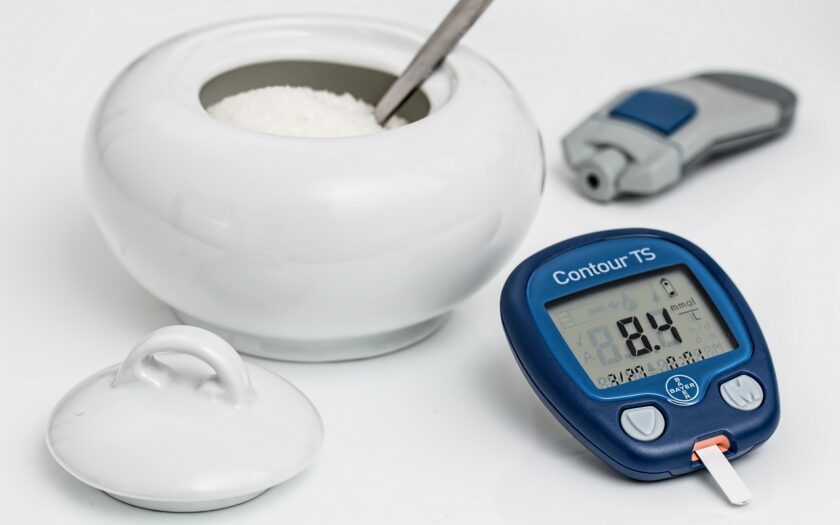




 The indoor air quality is often worse than outdoors, as various pollutants can build up in the home. To reduce pollutants, open your windows to let fresh air circulate and clear out particles like dust mites and mold spores. Invest in an air purifier or filter to help remove airborne allergens. Additionally, make sure to change air filters regularly. In fact, according to the Environmental Protection Agency, air filters should be replaced every 3 months for optimal air quality.
 Before eating and after using the restroom, always wash your hands with soap and warm water. This is one of the most effective ways to prevent germs from spreading and protect yourself from illnesses. Also, be sure to carry hand sanitizer when you don’t have access to a sink or running water. You might never know when you’ll come into contact with someone who is sick, so it’s always better to be safe than sorry.
 Stress and anxiety happen at the same time. However, fear has a real evolutionary purpose because it lends urgency to your deadline and keeps you on your toes. On the same note, you need to understand that anxiety out of control will significantly impact your health.
 Another sign that seems evident in this process is having difficulties coping with life. It becomes an issue once you notice that you have not been able to function as well as you expected. For instance, when you struggle in life, you feel stressed, neglected, and depressed. In this state, you need mental health treatment.
 Once you have hired the best coach, they can answer any questions you have and then reassure you of the best strategies that they will use for you to attain your objectives.
 This is one of the steps you are required to remember when choosing an oral surgeon. Most dentists refer their patients to some of the best surgeons who will help you with your dental issues. After the surgery, most patients do prove and recommend the quality of services they received. That is why it is advisable to create a dialogue with your dentist and know some of the questions you will be asking him or her.
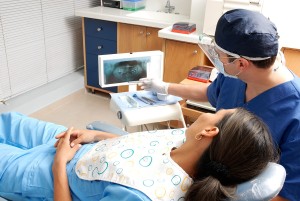 This is another step you can consider when looking for an oral surgeon. If there are some of your family members or friends who have ever been operated by an oral surgeon, they will gladly refer you to one depending on the kind of services they received.



 right one at the right price may be a little daunting. There are powders, pills, and many other forms. Along with improving your body, you must also pay attention to other functions like improving your brain’s alertness and functionality.
 In every situation in life, we all need sufficient energy to perform our tasks. The factor remains that with a regular diet, many people may not have adequate energy to exercise as required and therefore, getting a boost of energy with a nutritional supplement can be a big advantage. Check out the super savings you can have on energy supplements.
 Since breast augmentation are usually done under local anesthesia, it can now be performed in ambulatory centers or day surgery centers. And because it is not done in a hospital, which has stricter accreditation rules, it is best to check if the breast implant center where you want to have your surgery performed is duly accredited by your local state cosmetic surgery body. In that way, you will know if they are following strict protocols and safety standards when it comes to sanitation, equipment, and staffing.
 There are a lot of factors when considering what type of breast implant you should have. There are the saline type, Silicon type, and highly cohesive silicone type. The choice of the implant has their pros and cons, but whatever your choice is, you have to make it sure that the center is only carrying FDA approved implants. In that way, complications can be avoided.
 broad range of clinical tasks to administrative tasks. Some of the tasks include filing paperwork, insurance forms, billing statements, paperwork. They are also tasked with reviewing and retrieving patient’s medical history and medications. You may also be required to purchase and stock of medical and office supplies. Arranging the doctor’s schedules and answering telephone calls. There are many more tasks assigned to you.